A lot of owners learn the same lesson at the worst possible moment. The car that felt special in the garage suddenly becomes a line item in a claims system after a crash, theft recovery, or total loss inspection. That's where rare cars separate from normal cars in a very expensive way.
A standard valuation tool might understand year, make, model, and mileage. It often doesn't understand provenance, low production, matching numbers, factory options, period-correct restoration, or why one obscure trim is worth far more than another from the same brand. That gap matters because, as of April 2026, there are 427 active independently branded automotive manufacturers selling new passenger vehicles globally, yet most global volume is concentrated among a small handful of brands. Rare doesn't just mean exotic. It also means harder to compare, harder to price, and easier for an insurer to undervalue.
That's why owners of specialty vehicles need to think past the badge. They need to protect documentation, establish credible comps, and understand how a claim will be argued before one ever happens. Along the way, it helps to know where enthusiast value comes from, whether you own a Ferrari or something niche like a Saleen, which is why SwiftJet's 1995 Saleen enthusiast guide is a useful reminder that low-volume cars from broader brands can carry their own scarcity story.
1. Ferrari The Italian Icon of Rarity and Prestige
Ferrari is the rare car brand many people picture first, and for good reason. The company built its reputation on limited production, racing pedigree, and a level of desirability that reaches well beyond transportation. In an appraisal file, though, the badge alone isn't enough. A standard red Ferrari with a poor paper trail can be easier to undervalue than owners expect.
The collector market gives context for why Ferrari claims deserve careful handling. Limited-edition vehicles from rare brands with fewer than 500 total production units posted a median annual appreciation rate of 21% from 2015 to 2025, while mainstream luxury vehicles averaged 4.2%. Ferrari and Lamborghini also dominate this segment by sales share, which is why insurers and appraisers treat them as benchmark names in rarity-driven valuation.
What usually protects Ferrari value
Documentation carries real weight here. Service stamps from recognized specialists, original books, tools, window sticker copies, Classiche paperwork where relevant, and delivery records all help establish that your car is the right car, not just a similar car.
If the vehicle has prior auction exposure, show-field history, or a notable ownership chain, preserve it. Those details won't automatically win a claim, but they can change which comparables belong in the analysis.
Practical rule: A Ferrari claim should be built around exact-spec comparables, not broad make-and-model averages.
A few habits work better than others:
- Use marque-specific valuation support: General appraisers can miss trim, certification, and provenance premiums. A specialist in exotic car appraisal is far more likely to separate an ordinary used Ferrari from one the collector market desires.
- Keep original parts if you modify the car: Period-correct or factory-backed changes may help. Missing original parts often hurt.
- Photograph condition before any loss: Paint meter readings, interior wear, wheel condition, underbody photos, and VIN tags matter when the carrier questions pre-loss quality.
Ferrari owners often focus on the top-end headline cars. In claims work, the less glamorous details decide the settlement.
2. Bugatti Engineering Extremity and Hyperscar Heritage
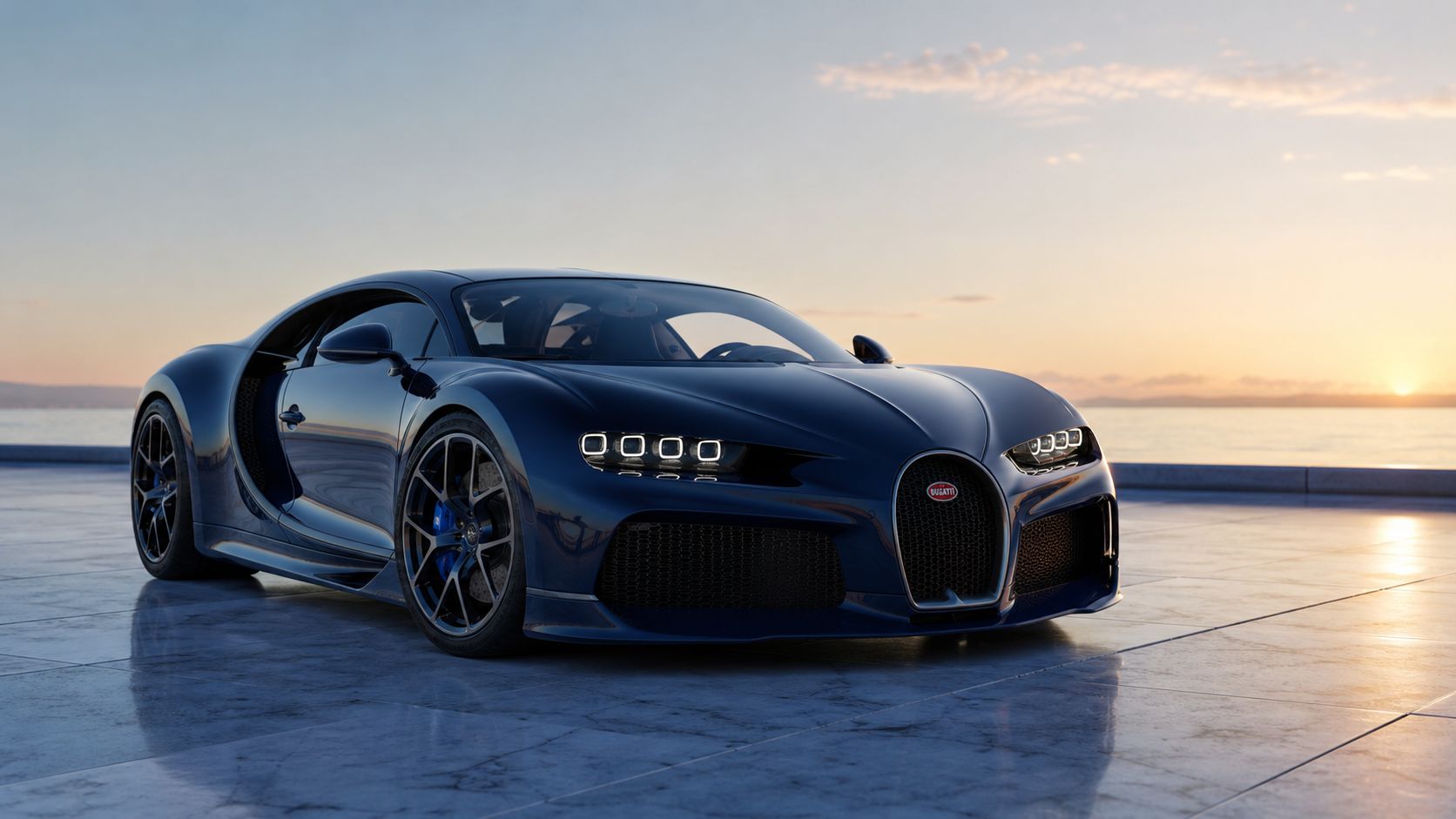
Bugatti sits in a different category from most rare car brands because buyers aren't only purchasing rarity. They're buying a hand-built technical statement with bespoke specifications that can materially change market perception. Two cars with the same model name may not be close substitutes if one has a more desirable build, ownership story, or delivery region.
That's why Bugatti losses get mishandled when an adjuster treats the vehicle like a normal luxury car. Hypercar valuation isn't just year and mileage. It's build sheet, factory options, finish combination, service history, market venue, and whether the car has stayed inside the authorized ecosystem.
Where Bugatti claims go wrong
The biggest mistake is accepting thin comps. Owners sometimes receive comparisons pulled from broad online listings with no proof of transaction, no matching configuration, and no explanation of market context. That approach can flatten real differences in seven-figure cars.
Insurance structure matters as much as valuation method. If you own a Bugatti, your coverage should already reflect high-value vehicle insurance considerations before a loss happens. If the policy language is weak, even a strong appraisal can turn into a longer fight than it should be.
Use these standards when reviewing a Bugatti valuation:
- Demand exact build references: Exterior color, interior specification, exposed carbon, special editions, and factory personalization all matter.
- Check service provenance: Authorized maintenance history often supports stronger market confidence than undocumented independent work.
- Separate cosmetic repair from stigma: Even after proper repairs, a recorded loss history can affect market reaction in this segment.
Buyers at this level don't pay only for performance. They pay for correctness.
With Bugatti, “close enough” comps usually aren't close enough at all.
3. Lamborghini Rebellious Italian Supercars and Collectible Icons
Lamborghini values are driven by drama. Sharp design, loud engines, poster-car legacy, and limited-run specials keep the brand relevant across generations. But from an appraisal standpoint, the same visual drama can distract owners from the boring evidence that wins claims.
A Miura, Countach, Diablo, Murciélago, or low-volume Aventador derivative needs more than enthusiasm behind it. It needs a file that proves originality, specification, and market position. That matters because some of the most desirable cars from rare car brands aren't the rarest on paper. They're the ones collectors trust.
What collectors care about after the badge
Original driveline components matter. So do factory colors, books, tools, service history, and whether the car wears period-correct details or later substitutions. On a Lamborghini, wheel type, interior trim, emissions-market differences, and restoration choices can all affect where the car lands in a valuation spread.
Owners should also pay attention to variant confusion. Some claims fall apart because the carrier compares the right generation but the wrong sub-model, or prices a U.S. car against a market it doesn't belong in.
A practical file for a Lamborghini should include:
- Production and variant confirmation: Verify the exact trim, market specification, and factory equipment.
- Ownership and service chronology: Gaps in history raise questions quickly in this segment.
- Evidence of originality: Engine, gearbox, body panels, and interior materials should be documented before any dispute starts.
If the car has celebrity ownership, concours history, or magazine features, preserve those records. They won't replace hard comps, but they can support market positioning.
Some owners assume a hot market will protect them automatically. It won't. Even strong brands get low offers when the adjuster uses generic tools and broad comparables.
4. Porsche 911 Variants The Collectible Standard-Bearer
Porsche is where people often misunderstand rarity. The brand itself isn't obscure, and the 911 is one of the best-known sports cars ever built. Yet specific 911 variants can be far more difficult to value correctly than a flashier exotic because so much turns on exact generation, drivetrain, market, option mix, and originality.
The strongest valuations come from narrow identification. A generic “911 Turbo” description doesn't tell the market enough. Air-cooled versus water-cooled, RS versus standard Carrera, manual versus PDK, factory aero, paint-to-sample, Clubsport content, and production-era significance can all shape demand.
Why broad Porsche comps fail
Porsche buyers are detail buyers. They study VIN ranges, certificates, maintenance history, and model-specific issues. In a claim, that means your valuation should use the same discipline.
For older cars, matching numbers and restoration quality matter. For newer cars, over-rev data, service records, paintwork, modifications, and track use matter. If any of that is left out, the valuation can drift toward the middle of the market instead of the top or bottom where the car belongs.
The phrase “same year, same model” means very little in Porsche land unless the variant is exact.
A few habits make a real difference:
- Verify authenticity early: A Porsche certificate or other marque documentation helps confirm what the car started life as.
- Match the comp set tightly: Use the same variant, transmission, approximate mileage band, and similar option profile.
- Document known issues accurately: A good appraisal accounts for problems instead of pretending they don't exist. That usually makes the report more credible, not less.
Porsche 911 claims reward precision. Owners who treat the car as a commodity almost always leave money on the table.
5. McLaren Limited Production Supercars and Modern Collectible Hyperformance
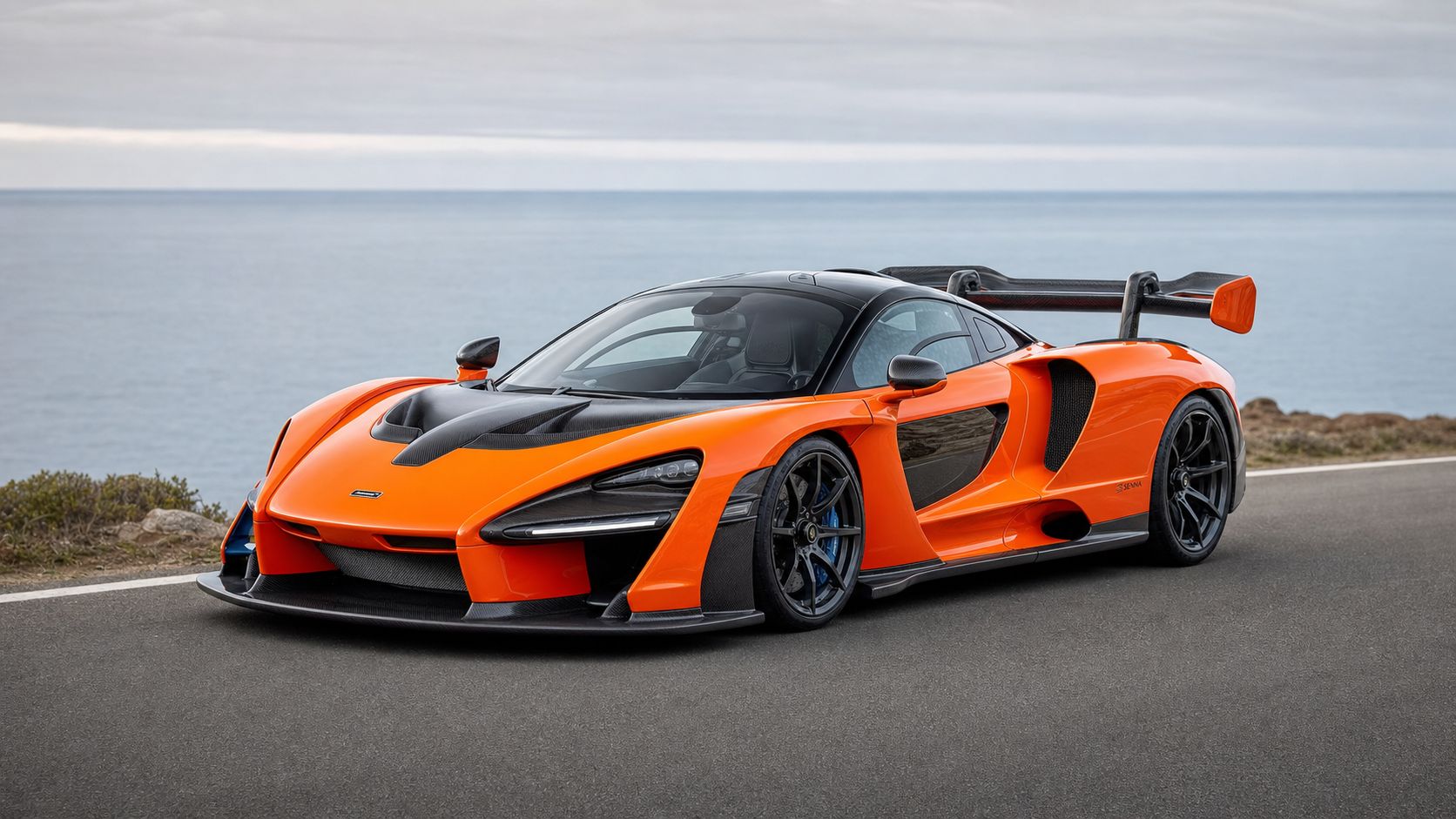
McLaren is a newer name in collector circles than Ferrari or Lamborghini, but that doesn't make it easier to value. In some ways it makes the job harder. The brand has produced highly specialized cars in short runs, with carbon-intensive construction and a buyer pool that pays close attention to specification, service support, and model hierarchy.
That modernity creates a strange claims problem. Some carriers still approach McLarens like fast depreciating used exotics when certain low-volume cars trade more like modern collectibles.
Why paperwork matters more on a McLaren than owners expect
A McLaren valuation should include factory production information, official service history, software and campaign compliance where relevant, and evidence of any track use. Track use doesn't automatically damage value, but hidden track history can absolutely affect buyer confidence.
This segment also sits inside a much bigger market for collectible vehicles. McKinsey reported the existing global stock of collectible cars reached about €800 billion in 2024, and the classic cars market was valued at USD 39.7 billion in 2024 with a projection to USD 77.8 billion by 2032 at an 8.7% CAGR. That's useful context when someone treats a limited McLaren as a novelty rather than an asset class participant.
McLaren owners should preserve:
- Factory production records: Especially on limited builds and special series cars.
- Authorized service documentation: These cars trade differently when the maintenance story is clear.
- Repair transparency: Carbon tub concerns, panel replacement, and structural work need thorough records.
Modern doesn't mean simple. On a McLaren, the more advanced the car, the more disciplined the valuation process needs to be.
6. Jaguar E-Type Classic Rarity with Enduring Investment Appeal
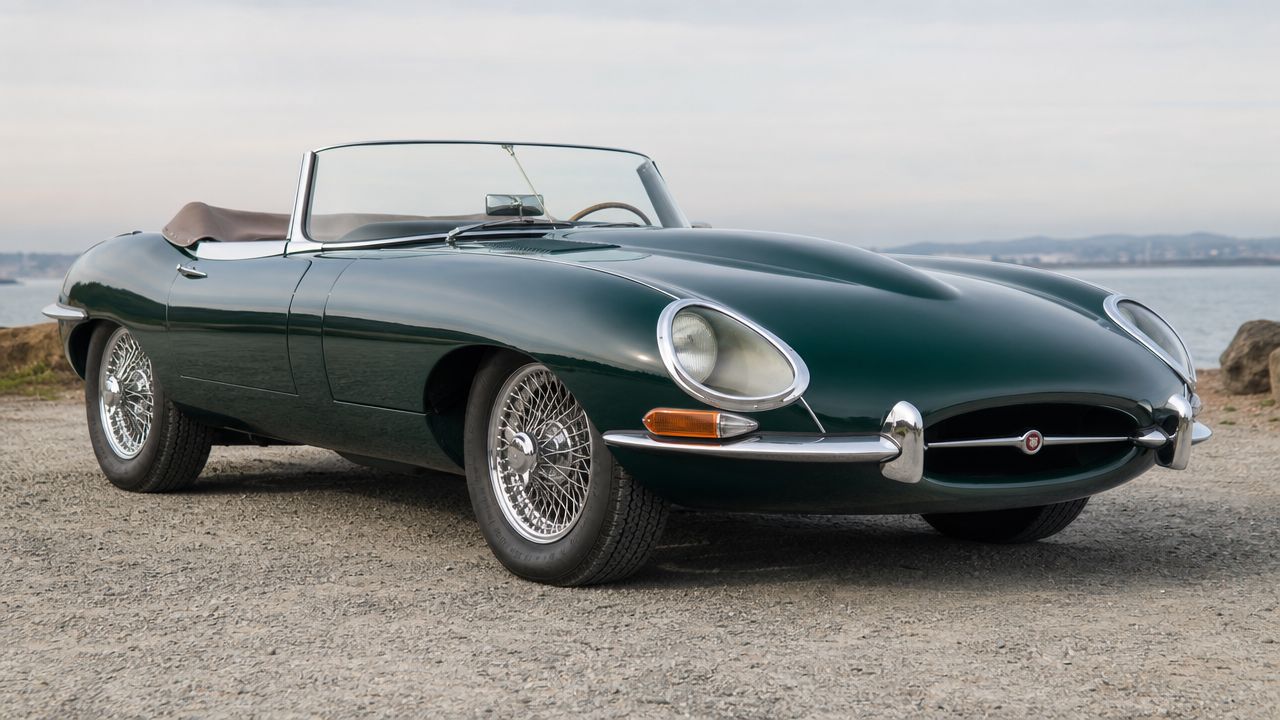
The Jaguar E-Type proves that rarity isn't always about tiny production totals. Some cars become valuable because specific versions rise above the rest. Early examples, desirable body styles, matching-numbers cars, and carefully documented restorations can separate one E-Type dramatically from another that looks similar in photos.
That distinction is exactly where claims often go off track. Adjusters may recognize “classic Jaguar” but miss whether the car is a later driver-quality example or an early, highly correct one with stronger collector demand.
The details that move an E-Type claim
Matching numbers are a big one. Engine, gearbox, body, and chassis identity all matter, especially when the seller or appraiser can support them with documentation. Restoration quality matters too, but not all restorations help equally. Buyers pay more for work that's documented, coherent, and faithful to the car's period.
Insurance setup matters before the loss. If the car is insured casually on ordinary terms, the owner may spend a lot of time fighting over fundamentals that should've been addressed up front through classic car agreed value insurance guidance.
For E-Type owners, the strongest file usually includes:
- VIN and matching-numbers verification: Don't assume prior owners got it right.
- Restoration invoices and photos: Before, during, and after images carry weight.
- Use history and maintenance records: A sorted driver and a stale cosmetic restoration aren't valued the same way.
The E-Type is one of the best examples of a car that's famous, beautiful, and still regularly mispriced in insurance disputes.
7. De Tomaso Pantera Italian-American Muscle Car Rarity and Cult Classic
The Pantera has a cult following because it combines Italian styling with American V8 simplicity. That formula creates an unusual appraisal profile. It isn't as universally recognized as Ferrari or Porsche, but informed buyers care a lot about originality, rust condition, early-production character, and whether the car still presents as an authentic Pantera rather than a heavily altered project.
This is also where the conversation about rare car brands gets practical fast. Some of the most overlooked losses involve cars that aren't household names but are hard to replace well.
The underappreciated appraisal problem
Mainstream articles about rare cars usually stay focused on ultra-exclusive names. They often miss modern rare models and niche collectible vehicles that were built in only a few hundreds, yet get lumped into broader make averages by insurance tools. Car Brands' discussion of uncommon car brands points directly at that valuation gap, including examples like the Mercedes R63 AMG and Saleen N2O Focus. The same logic applies to Panteras. The broad brand label doesn't tell the market enough.
A Pantera claim deserves close attention to these issues:
- Rust and structure inspection: Undercarriage corrosion can swing value significantly.
- Drivetrain originality: Buyers often care whether the Cleveland V8 and related components are correct.
- Production-era desirability: Early cars, known variants, and well-preserved survivors may sit in a different tier than later or heavily modified examples.
Niche cars get lowballed for a simple reason. Too few people in the claims chain know what they're looking at.
If you own a Pantera, the smartest move is to build your evidence file before you ever need it. Once the car is declared a total loss, you're negotiating from whatever proof you already have.
7-Brand Rarity & Collectibility Comparison
| Model / Brand | Rarity & Production 🔄 | Ownership Resources & Costs ⚡ | Investment Potential 📊 | Appraisal & Documentation Complexity 💡 | Ideal Use Case & Key Advantage ⭐ |
|---|---|---|---|---|---|
| Ferrari: The Italian Icon of Rarity and Prestige | Intentionally limited runs and selective allocations; early survivors very scarce | Very high insurance, maintenance, storage; authorized specialists often required | High for ultra-rare models; top models set record prices | High, provenance, service history and originality must be documented by specialists | Prestige-driven collectors/investors seeking racing heritage and strong brand liquidity |
| Bugatti: Engineering Extremity and Hyperscar Heritage | Ultra‑limited production and bespoke one‑offs; single‑digit/low‑hundreds runs | Astronomical operating and maintenance costs; very limited service network | Very high for select models; values stable due to extreme scarcity | Very complex, bespoke options and unique specs require hypercar appraisers | Ultra‑high‑net‑worth buyers seeking engineering pinnacle and exclusivity |
| Lamborghini: Rebellious Italian Supercars and Collectible Icons | Low annual outputs; special editions and variants create sub‑rarities | High costs for service and parts; specialist technicians needed | Strong for iconic early models and limited editions | Moderate, verify specific year/variant and special edition provenance | Iconic‑design collectors wanting dramatic styling and driving character |
| Porsche 911 Variants: The Collectible Standard‑Bearer | Limited RS/GT runs; air‑cooled survivors and manual/config variants are rare | Moderate‑high; comparatively good parts/support and driver‑friendly maintenance | Consistent, variant‑dependent market with strong liquidity for correct specs | Moderate, exact variant, VIN and Porsche COA crucial for valuation | Driver‑collectors valuing performance, reliability and resale liquidity |
| McLaren Limited Production Supercars: Modern Collectible Hyperformance | Deliberate limited runs, sequential numbers, many track‑focused sub‑runs | High specialist repair (carbon‑fiber), but modern service documentation available | Good for limited models (Senna, Speedtail); newer market data but appreciating | Moderate‑high, manufacturer production docs helpful; verify track usage | Collectors seeking modern carbon‑tech, track performance and exclusivity |
| Jaguar E‑Type: Classic Rarity with Enduring Investment Appeal | Large total production but early Series‑1 and lightweights are very scarce | Variable, restoration and parts can be expensive; simpler mechanics aid owners | Strong for early/matching‑numbers examples; accessible entry vs hypercars | High, matching‑numbers and restoration provenance materially affect value | Design‑focused collectors who want a classic icon at a comparatively lower entry |
| De Tomaso Pantera: Italian‑American Muscle Car Rarity and Cult Classic | Moderate total production; early originals, GT4 and turbo variants are rare | Moderate‑high; rust/restoration issues and specialist parts can be costly | Emerging appreciation for early/rare variants; market less mature and more volatile | Moderate, verify drivetrain (Ford Cleveland V8), originality and build date | Enthusiast collectors seeking mid‑engine V8 character and cult rarity |
Protecting Your Passion Next Steps for Rare Car Owners
The hard truth is that ownership prestige doesn't guarantee claim accuracy. A rare Ferrari can be undervalued. A Porsche 911 variant can be misidentified. A Jaguar E-Type can be flattened into average-condition pricing. A Pantera can be treated like a curiosity instead of a scarce collectible. The common problem is lazy comparison.
That problem matters in a market with real depth. North America accounted for about 42% of global collector car market share in 2024, which means there's an active transaction base for specialty vehicles, not just a thin enthusiast fringe. If your insurer is relying on generic software while your vehicle belongs in a specialized market, the burden often falls on you to prove the difference.
Start with the basics. Keep complete service records. Save ownership history, restoration photos, auction results, originality documents, and pre-loss condition photos. If your car is limited-production, get factory confirmation when possible. If it's a classic, verify matching numbers and specification. If it's a modern specialty vehicle, document option content, mileage, software compliance, and any prior repairs.
Then think about logistics after a loss. Don't rush disposal. Don't assume the first valuation is fair. Don't let broad online listings define your car if better comparables exist. And if the vehicle needs transport to a specialist, use services built for collector equipment, such as reliable classic auto shipping, because mishandling after the accident can create another layer of damage and another argument.
For owners in Washington and Oregon, independent appraisal support proves particularly valuable. It offers a significant advantage. Total Loss Northwest works as a certified independent appraiser and can invoke the Appraisal Clause on your behalf when an insurer's valuation doesn't reflect real market data. That matters for total loss disputes, diminished value claims, and specialty vehicles that can't be priced accurately by generic systems.
Rare cars reward passion, but claims reward preparation. If your vehicle is rare, collectible, classic, or hard to replace correctly, treat documentation like part of the asset. It often becomes the difference between a weak offer and a defensible settlement.
If an insurer has labeled your rare, classic, exotic, or specialty vehicle as a total loss, or if you're being lowballed after an accident, Total Loss Northwest can help you push back with a market-based appraisal. Their team handles diminished value and total loss disputes with independent reports built for negotiation, not generic software shortcuts.