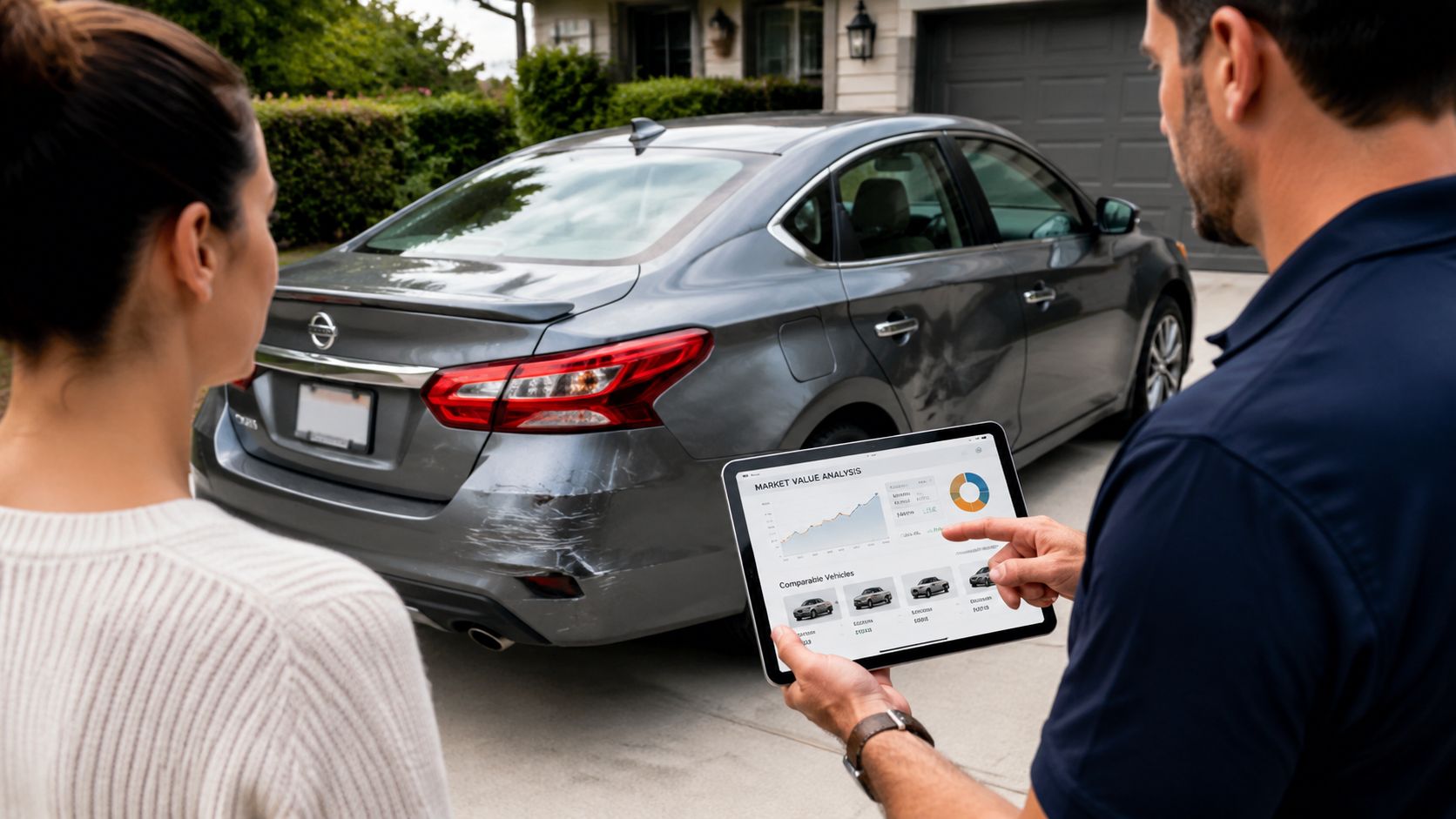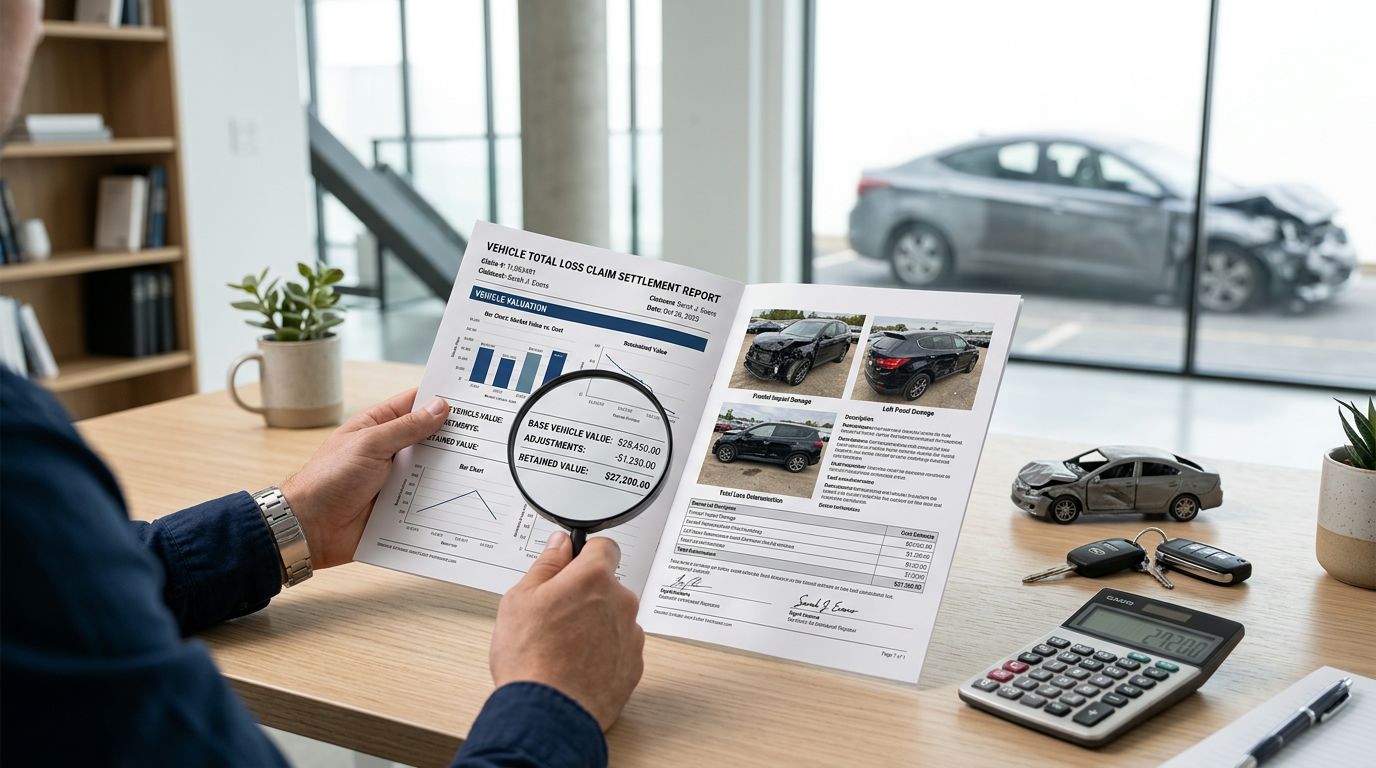
You just got the low total-loss offer, and the number lands like an insult. Your car is in the tow yard, the body shop's estimate doesn't match what the carrier is saying, and the person on the phone keeps sounding calm while you're the one losing time, money, and patience.
That's the actual job of an independent insurance adjuster in your claim. They are often the face of the insurer's decision, the person who translates your wreck into a valuation, a repair estimate, or a denial. If you don't understand who hired them, what they're allowed to decide, and what the cheapest credible counterweight is, you can hand over power you didn't have to give away.
The Day the Insurance Adjuster Shows Up
The first call usually comes when you're still trying to figure out whether the car is even worth saving. A tow lot is billing storage, the police report is still pending, and the insurer wants photos, mileage, VIN, keys, and a statement before you've had time to breathe. That speed isn't kindness, it's claims management.
A driver in that spot gets introduced to the claims machine in layers. First comes the claim number, then a staff adjuster or intake rep, then maybe a field inspection, then a total-loss letter or repair authorization. If the vehicle is borderline, the first offer often feels final even when it isn't.
The mistake is treating the first number as a verdict. It's only the beginning of the negotiation, and once the file is in dispute, the person across from you is no longer just an administrator. They're the carrier's decision-maker, and if they're using a narrow valuation or incomplete comparable set, you need a better response than frustration.
Practical rule: the moment the offer stops matching the market, stop talking casually and start building a rebuttal file.
A smart driver keeps the pressure on the process, not on emotion. Pull the body shop estimate, save every message, photograph the damage yourself, and ask what documents the insurer used to get to its number. If the claim starts drifting toward a lowball total-loss result, that's when professional help stops being optional.
What an Independent Insurance Adjuster Actually Does
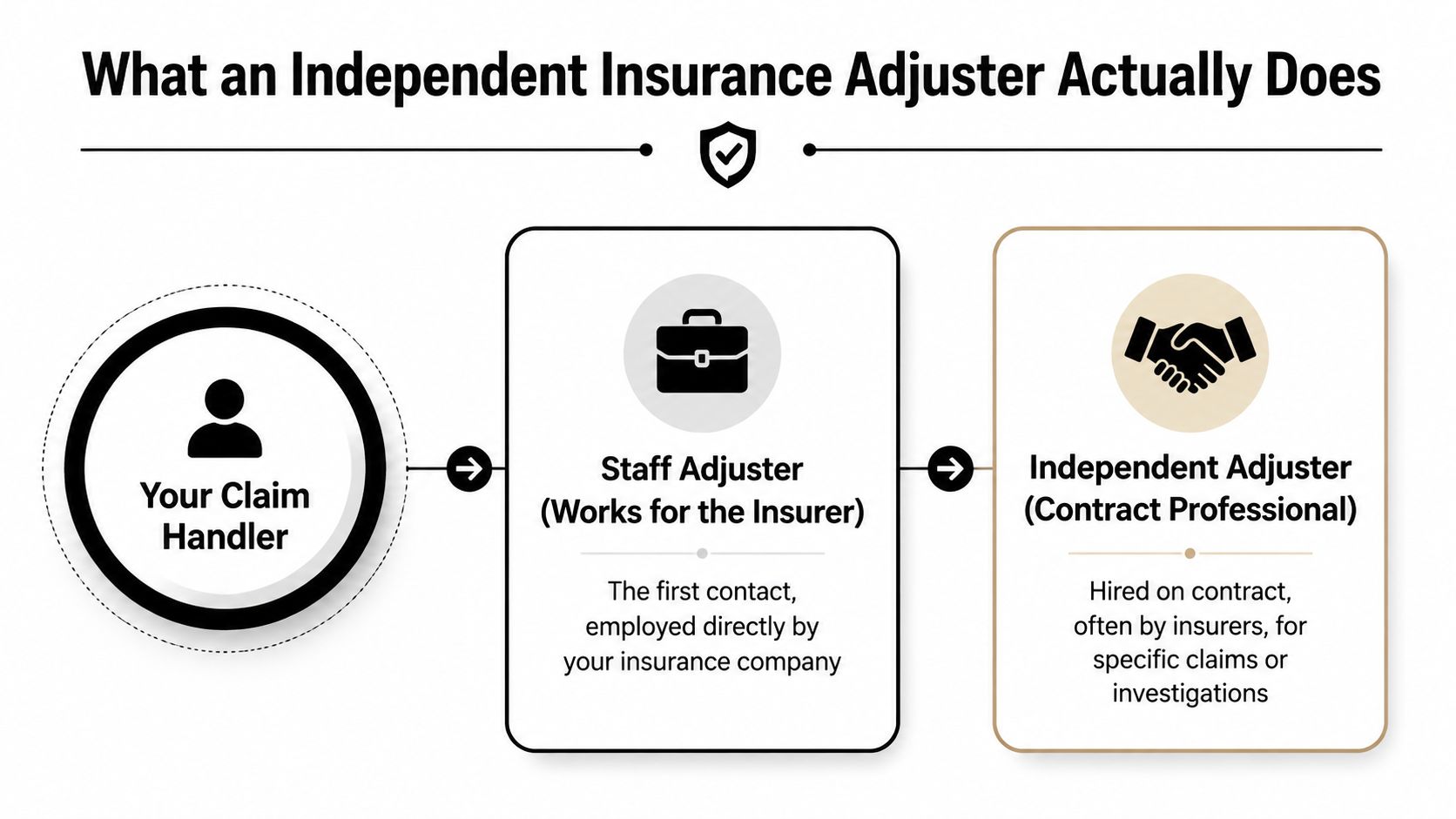
The title sounds neutral, but the job isn't. An independent insurance adjuster is a contract-based claims professional hired by insurers, self-insured firms, or government entities to investigate, evaluate, and negotiate claims on behalf of the hiring side, not the claimant's side. That's the basic reality, and it's the first thing drivers need to understand.
The workflow starts with evidence, not sympathy
An adjuster doesn't usually make a call from one quick look and a handshake. The file gets built from police reports, witness statements, photographs, and statements from the involved parties, then the adjuster uses that package to determine coverage, inspect damage, and calculate payable loss. In auto and property claims, that work is increasingly tied to estimating systems like CCC One, Audatex, and Mitchell, which means the software can shape whether a vehicle is treated as repairable, uneconomical, or a total loss. The National Association of Insurance Commissioners describes this evidence-based workflow and the estimating platforms that influence it in its adjuster licensing material, and it also notes how those tools affect valuation and settlement outcomes (NAIC adjuster licensing chapter).
If you need a plain-English guide on how to deal with the person across the desk, a resource like negotiate a fair settlement Bell Law can help you stay organized without getting pushed around.
The role is contractual, not fiduciary
Most drivers get tripped up here. The adjuster's recommendations feed the insurer's reserves, settlement authority, and litigation exposure. That means the adjuster's output has to line up with policy language, documented loss causation, and the carrier's liability position. If you want a deeper look at the total-loss side of that equation, the insurer's own valuation process is what matters most, which is why a professional appraisal can become the right counterweight, not a rant on the phone. A useful starting point is how a total loss adjuster handles value disputes.
Bottom line: the adjuster's job is to move the file toward the insurer's answer, not to protect your payout.
The reason this matters is simple. If the first valuation is weak, the adjuster's job is still to defend the file, not to rescue your position. That's exactly why drivers need to know the difference between the person handling the claim and the professional who can challenge the number.
Why “Independent” Can Mislead Drivers
The word independent sounds like neutrality, and that is the trap. In insurance claims, it describes a labor model, not a promise of fairness. The adjuster may not be a direct employee, but the assignment still comes from the carrier, and the carrier's interests still shape the file.
The workforce numbers make that hard to ignore. A 2017 industry survey estimated that there were more than 125,000 active claims professionals in the U.S., and roughly 70% worked for large insurers, 23% for third-party administrators, and 7% for regional adjusting firms (claimsprofession.org survey release). The same release said each adjuster held nearly 10 state licenses on average, which shows how cross-jurisdictional the job has become. In practical terms, the people drivers meet are usually tied structurally to the insurer side, even if the staffing model varies.
The job is getting narrower, not more neutral
The occupation is still large. The Bureau of Labor Statistics reported 293,780 employed claims adjusters, examiners, and investigators in May 2023, with a mean annual wage of $75,770 and a median of $75,050 (BLS wage data, cited in the Arizona Insurance Law overview). By May 2024, the BLS reported a median annual wage of $76,790 for the broader occupation, and its outlook projects employment to decline 5% from 2024 to 2034 in that same occupation group. That points to a job that is becoming more efficiency-driven, not more claimant-friendly.
Technology is tightening the role further. Industry commentary says drones, satellites, aerial data gathering, and stronger soft skills like negotiation and critical thinking are reshaping claims handling, while independent adjusters now often have less line payment authority than they did two decades ago (AM Best industry commentary). For unusual, customized, or high-value vehicles, that matters because software-based estimates can miss the details that move value.
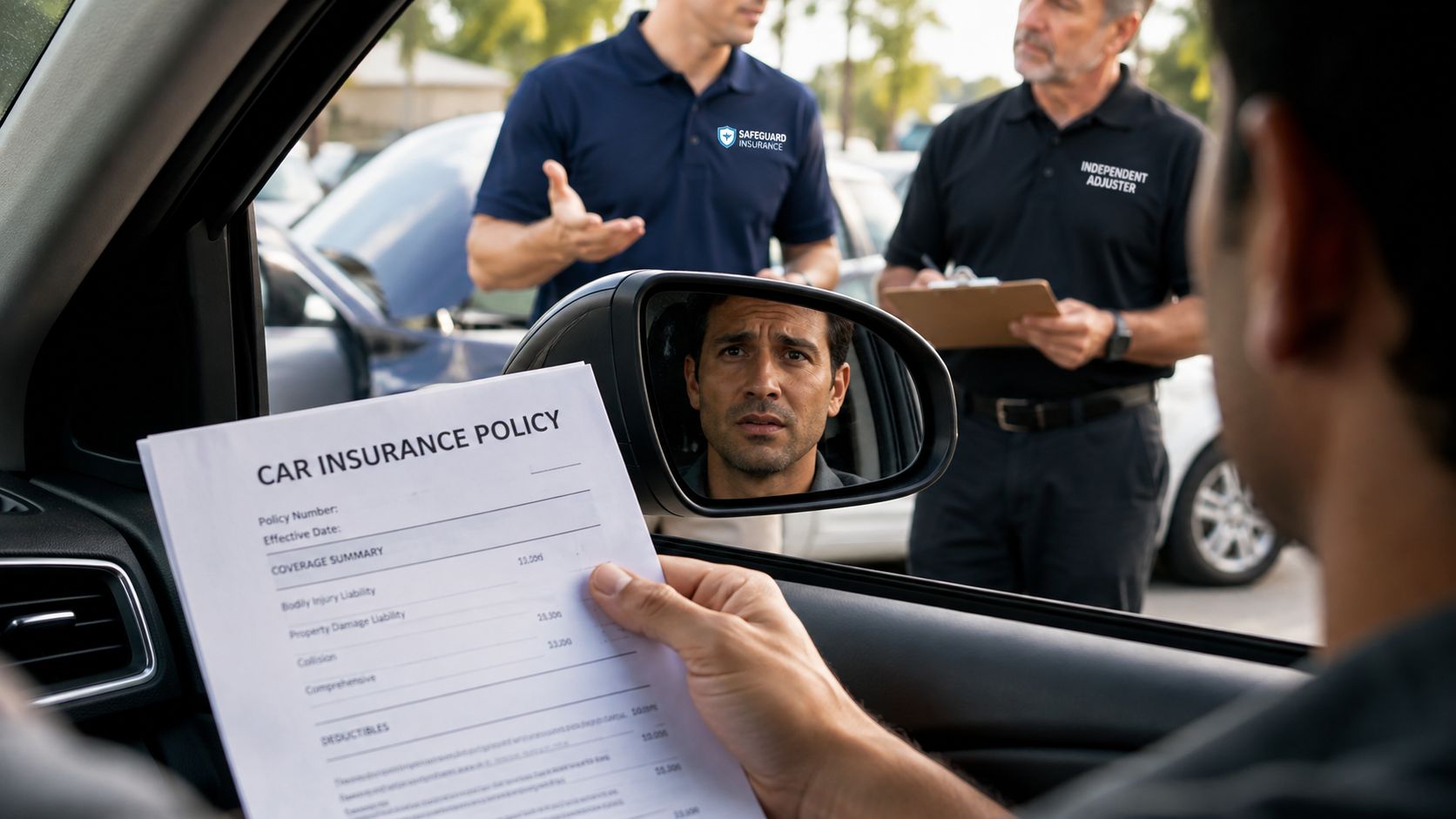
The consumer lesson is blunt. Independent does not mean unbiased, it means contracted. Once you accept that, the better question is which professional can credibly push back on the number you were given.
Independent Adjuster vs Public Adjuster vs Independent Appraiser
The cheapest wrong move is hiring the wrong person for the wrong dispute. If the issue is a low valuation, you don't need a broad claims fight first. If the issue is denial, delay, or coverage confusion, you need someone who can attack the file at the claims level. If the issue is just the number, use the appraisal path.
| Professional | Hired By | Fee Model | Best Use Case |
|---|---|---|---|
| Independent Adjuster | Insurer, self-insured entity, or government client | Usually paid by the hiring organization | Carrier-side claim handling, inspection, coverage evaluation |
| Public Adjuster | Policyholder | Usually a percentage-based fee arrangement, depending on state rules and contract terms | Denied, underpaid, or disputed property claims where the policyholder needs representation |
| Independent Appraiser | Either side, often under the appraisal clause | Flat fee, hourly rate, or other agreed valuation fee | Total-loss, diminished-value, or pure valuation disputes |
The table tells you the core truth. The independent adjuster is not your advocate, the public adjuster is. The independent appraiser is the valuation referee when both sides are fighting over the number instead of the existence of coverage. If you're choosing between a legal threat and a valuation challenge, the appraisal route is usually the cleaner first move for a standard total-loss disagreement.
Match the tool to the problem
If the carrier is denying the claim, dragging its feet, or hiding behind policy language, a public adjuster usually makes more sense than trying to argue every detail yourself. If the car is a daily driver and the total-loss number is just too low, the appraisal clause and your own independent appraiser are often the most efficient path. If you want a local example of that kind of valuation work, independent insurance appraisal services are built for that exact dispute.
If the argument is “is it covered,” think claims representation. If the argument is “what is it worth,” think appraisal.
That distinction saves time and money. A lawyer letter can get attention, but it doesn't always move the number. A credible valuation report often does, because it gives the carrier something concrete to answer.
When a public adjuster belongs in the picture
Use a public adjuster when the insurer's conduct is broader than a bad number. That includes delay, denial, scope disputes, and policy interpretation fights. For a straight total-loss or diminished-value disagreement, though, the appraisal route is usually the more focused and cheaper first strike.
Verifying Credentials in Oregon and Washington
Don't pay anybody until you check the license. A five-minute lookup is cheaper than a bad hire, and it tells you whether the person you're talking to is authorized for the claim type you have. That matters in Oregon and Washington, where claim professionals have to be licensed for the authority they're exercising.
What to search for
In Oregon, use the Division of Financial Regulation license lookup and search the categories that matter to your dispute, including resident adjuster, independent adjuster, public adjuster, and appraiser. In Washington, use the State Office of the Insurance Commissioner's producer lookup and verify the same kind of authority. If the professional is handling catastrophe work from another state, check whether the license status supports nonresident work too.
Here's the practical checklist:
- Confirm the exact license type. Make sure the person's authority matches the role you need, not just a generic insurance license.
- Check expiration dates. An expired license means you're dealing with someone who may not be authorized to act.
- Look for disciplinary notes. If the database shows problems, don't ignore them.
- Match the line of authority to the claim. A person who can adjust one line may not be the right fit for your vehicle dispute.
- Verify Oregon and Washington status separately. Cross-state work doesn't excuse a missing endorsement.
Don't skip the paperwork trail
The lookup is only step one. Ask for the engagement agreement, fee schedule, and the exact role they'll play before money changes hands. If you want a Washington and Oregon auto-appraisal example that fits this kind of dispute, auto appraisal in Oregon is the kind of service that should spell out scope and authority in plain language.
The reason this matters is simple. If the license doesn't match the job, the rest of the conversation is wasted. A real professional won't flinch when you ask to verify credentials.
What Independent Appraisals and the Appraisal Clause Cost
Price is where drivers either act or stall. Many assume professional help is too expensive, then they accept an even worse number and end up paying for that mistake with lost settlement value. For a valuation fight, that's backwards.
The math is usually in your favor
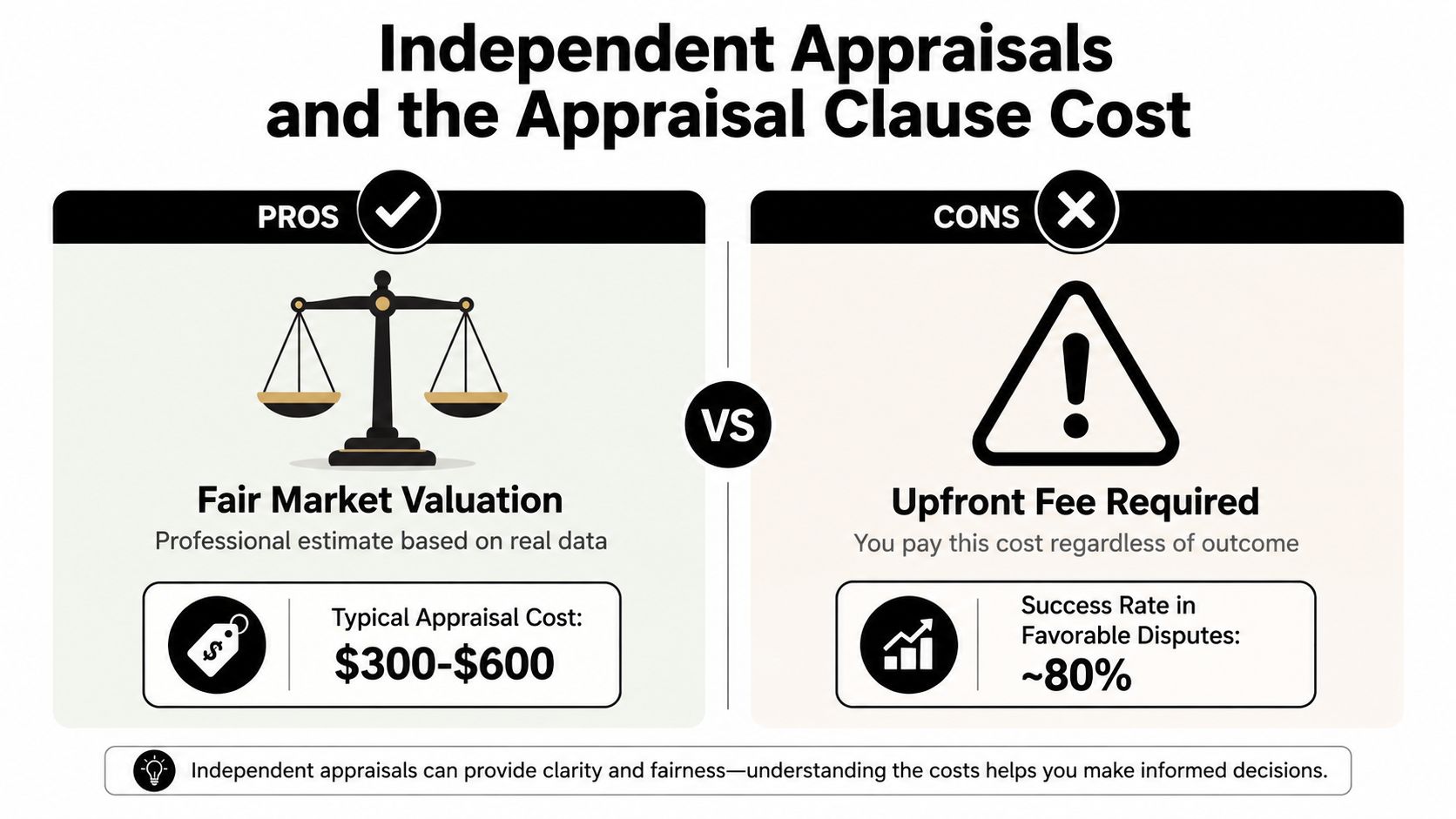
A credible independent appraiser may charge a flat fee, an hourly rate, or another agreed valuation fee. The exact number depends on the vehicle, the complexity of the dispute, and the market data needed to support the report. The important question isn't whether you pay a fee, it's whether the fee is smaller than the gap between the insurer's offer and the market result.
Even a modest improvement can justify the expense on its own. If the insurer offers $25,000 and your appraisal yields a materially stronger number, the recovered value can swamp the appraisal cost quickly. The point isn't to chase a perfect score, it's to close the gap enough that you stop bleeding value.
What makes a report credible
A strong report doesn't rely on opinion alone. It uses market comparables, documented condition, trim and option details, and a clean explanation of why the insurer's number misses the mark. That's why many carriers move faster when they receive a certified independent appraisal than when they get a vague complaint letter.
If you want a service line built around this exact dispute, independent insurance appraisal is the right category to search. It's a valuation remedy, not a general insurance rant.
Practical rule: pay for valuation help when the dispute is about value, not when you're still guessing what the carrier's problem actually is.
Use the clause, not just the complaint
The appraisal clause exists for a reason. It's the mechanism that lets you and the insurer each appoint a valuation professional and resolve the number without turning the whole claim into a courtroom fight. For total-loss and diminished-value disputes, that's often the most direct route to a better result.
Your Next Steps After Reading This Guide
Start with the type of dispute, not the emotion attached to it. If the offer is close to fair and the car is a basic daily driver, push back with stronger comparables, ask for supervisor review, and force the carrier to show its work. If the number is clearly low, request the appraisal clause in writing and hire a certified independent appraiser to invoke it.
If the claim is denied, delayed, or tangled up in coverage disputes, stop treating it like a simple valuation issue. That's when a public adjuster or attorney belongs in the conversation. If the problem is purely the settlement number, don't overpay for a broad legal fight when a valuation remedy is the cleanest path.
Use the right counterweight
There's a reason consumers keep losing these fights. They ask the wrong professional to solve the wrong problem. A sharp independent appraiser can move a total-loss file, but they're not a substitute for representation when the carrier is arguing coverage or delaying payment.
Total Loss Northwest fits the valuation side of that equation, with appraisal clause representation and diminished value support in all 50 states, while focusing on Oregon and Washington total-loss disputes. That matters if your complaint is “they lowballed my car,” not “they denied my claim outright.”
Make the move before the file hardens
The first 48 hours matter because the insurer is building its version of the file while you're still deciding whether to fight. Save the estimate, document the vehicle, get your comparable vehicles together, and verify the person you hire is licensed for the role you need. If you wait until the carrier has closed the loop, you're negotiating uphill for no good reason.
If your insurer lowballed a total loss or ignored the true market value of your vehicle, take the next step with a team that handles appraisal-clause disputes every day. Visit Total Loss Northwest to review total loss and diminished value support, then ask for the valuation help your claim needs.